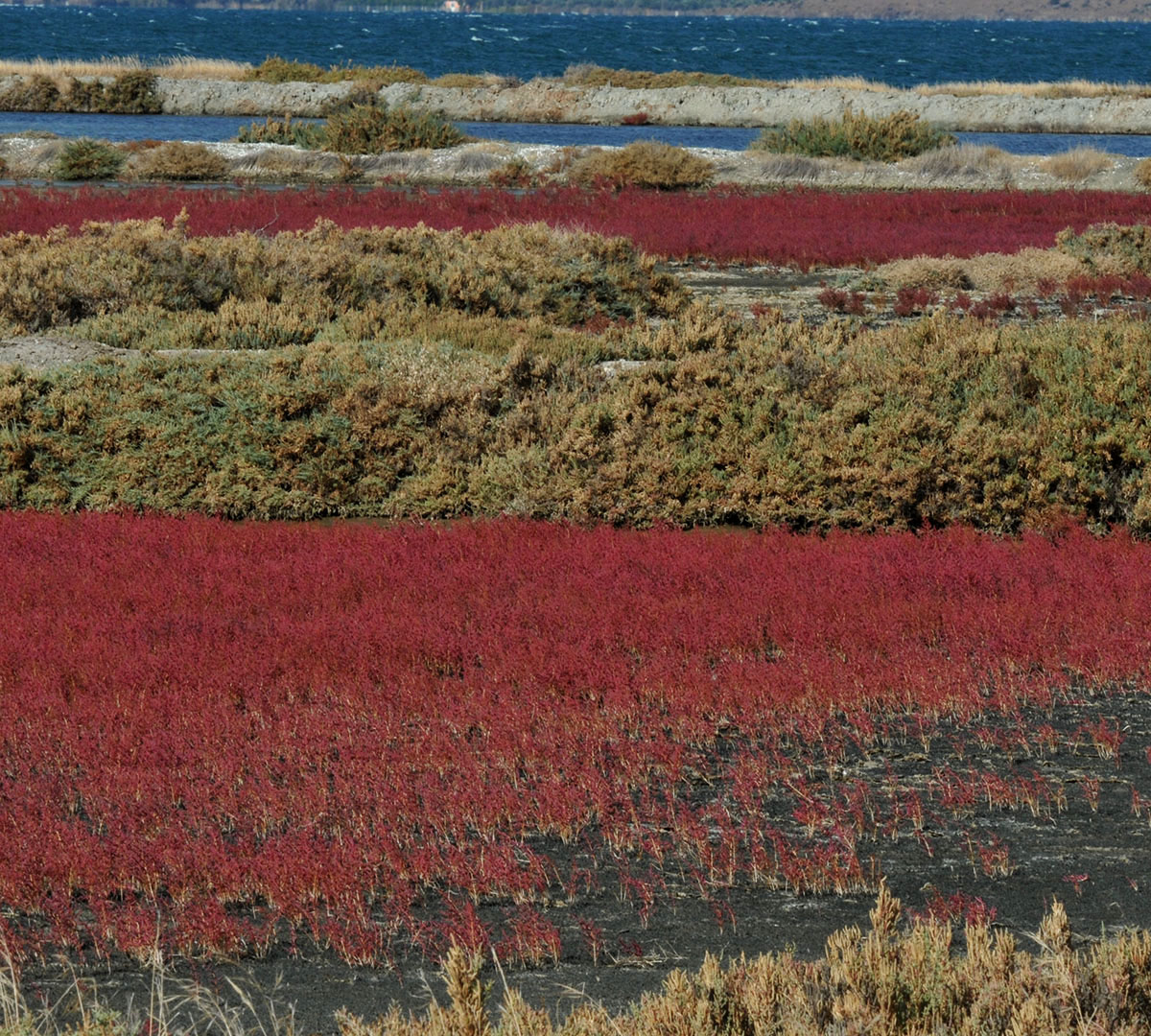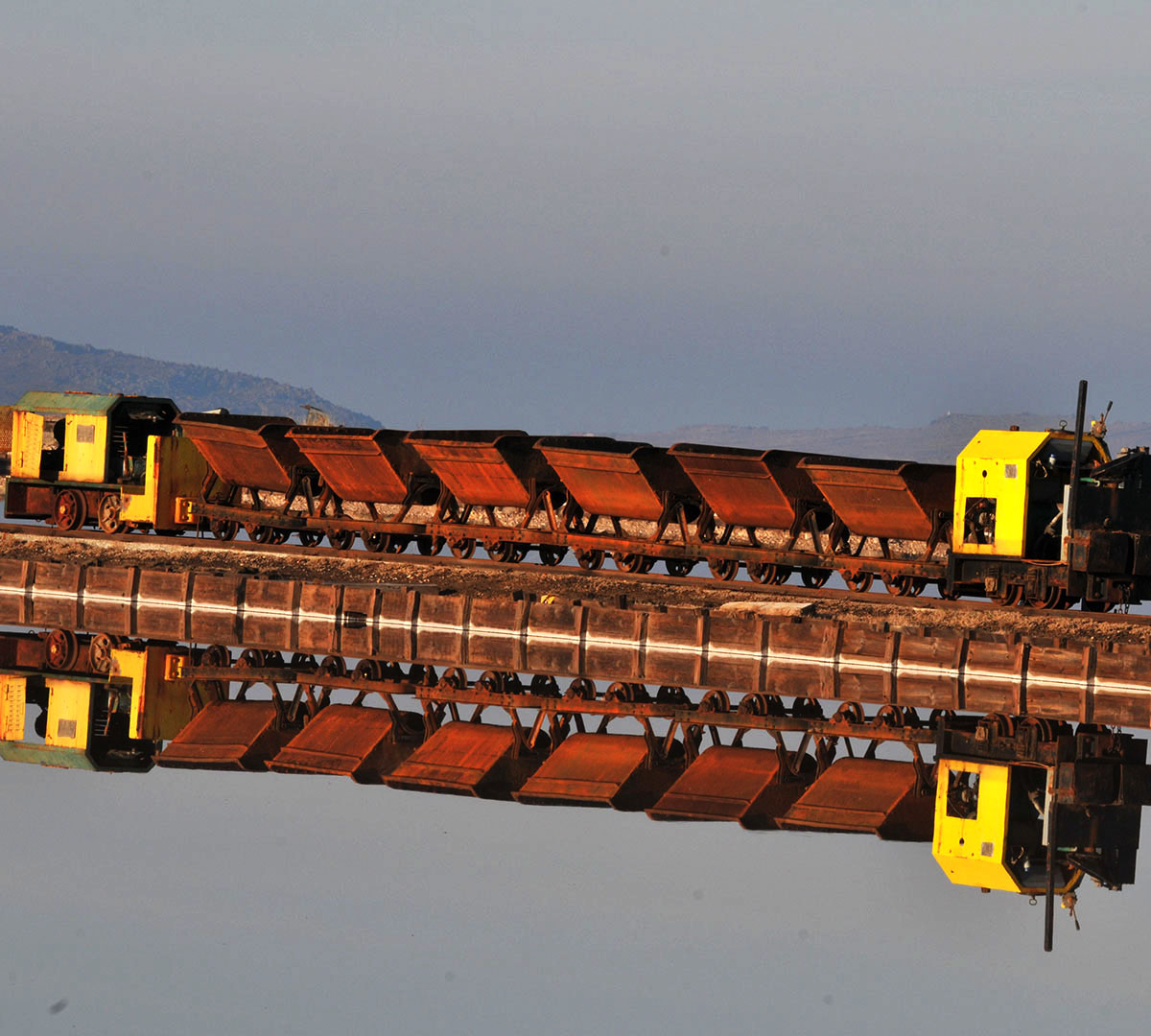

The structural, functional and ecological aspects of Solar Saltworks highlights their importance as biodiversity conservation sites and, beyond salt production, offer great potential for their multifaceted use with multiple benefits for local communities.
Local authorities and especially the private sector should realize the paramount importance of both active and abandoned Solar Saltworks in nature conservation and their potential use for sustainable local economic development through ecotourism, museum installation, production of value-added by-products and therapeutic baths. Furthermore, Solar Saltworks can function as ideal sites for environmental education.
It goes without saying, however, that sometimes it is not appropriate or even possible to develop all the aforementioned actions together at a specific salt production site. The selection of the appropriate action(s) should be determined by a relevant eco-social study, which will take into account the specific characteristics of the wider saltworks area and the nearby local communities.

Optimal design and operation of the Solar Saltworks enhance decisively their function as wetlands, leading to a significant population growth of wild avifauna. This attracts birdwatchers to the area, resulting, in some cases, in spontaneous ecotourism waves. A fact that has been practically verified in many cases of Solar Saltworks modernization.
Kalloni Saltworks, located in the area of Skala Kalloni in Lesvos Island, Greece, is a typical example. Its production area redesigned and reconstructed from scratch during its modernization works in the mid-1990s (1994-1996). In the following years, the area of Skala Kalloni experienced a growing wave of ecotourism, with birdwatchers coming mainly from England and the Netherlands, which continues to this day.
Anastasia Balta’s documentary in which two British retirees recount their experiences as birdwatchers in the picturesque village of Skala Kalloni, Lesvos is very illustrative.
We provide technical assistance to exploit this spontaneous growth of ecotourism through appropriately designed and sited structures within the saltworks production area, where tourists can experience the unique avifauna of Solar Saltworks without disturbing.
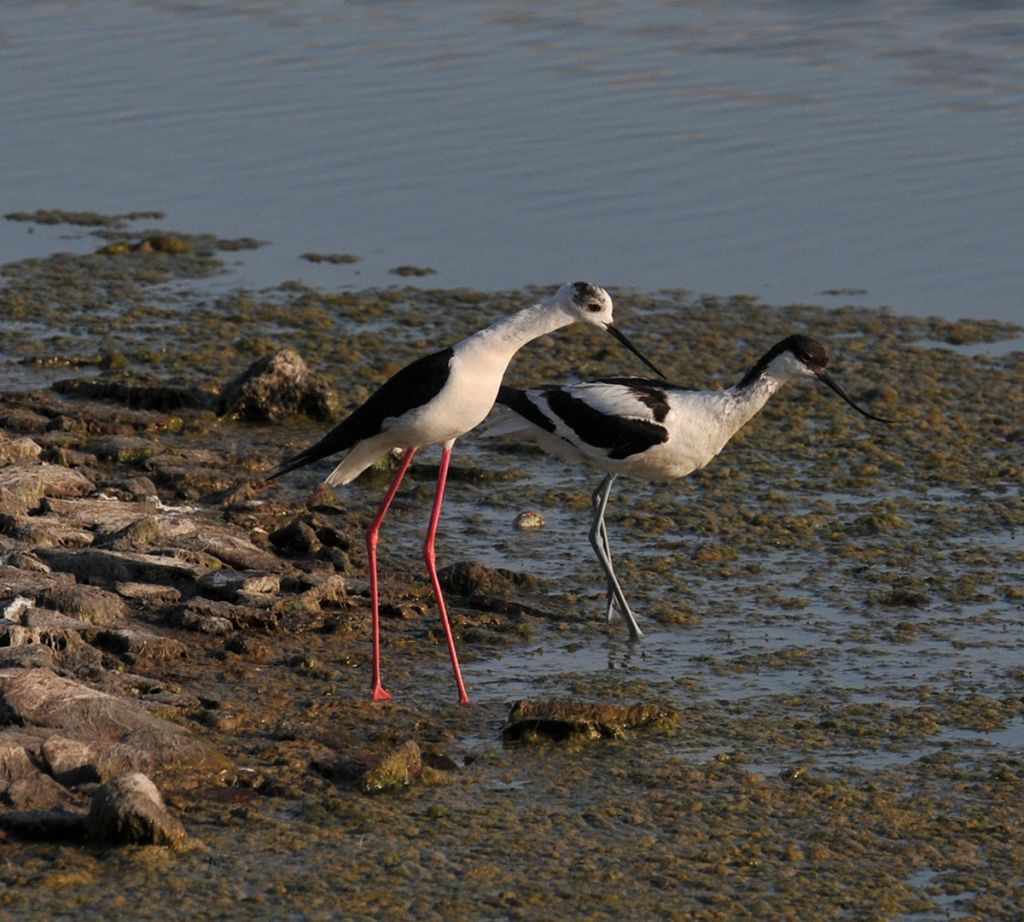
The coexistence of aquatic and terrestrial ecosystems create ecologically significant landscapes with amazing structure and functionality, the wetlands! They are vital areas for countless species of flora and fauna. They offer humans and the environment in general, benefits such as microclimate regulation and important services, economic, cultural, scientific and recreational.
Coastal wetlands are shallow aquatic environments located in the transitional zone between terrestrial and marine ecosystems, which can span from freshwater to hypersaline conditions, depending on their water balance. They exhibit an extreme spatial and temporal variability of environmental parameters and are highly productive ecosystems.
Nevertheless, due to their high productivity, wetlands concentrate primary sector activities (mainly agricultural) or drainage activities, which often degrade and disturb their ecological balance and essentially cancel out their function. As a result, wetlands area is constantly decreasing, worldwide.
Solar Saltworks epitomize all natural wetlands, as they are composed of brines spanning the entire salinity scale, from fresh and brackish water to the extreme brine salinities.
They are constructed wetlands that besides producing a basic industrial commodity they offer their share in protecting and sustainable utilizing wetland areas globally. Τhis unique feature, highlights Solar Saltworks as ideal sites for Environmental Education, for all ages, which could include:
- biodiversity conservation (fauna and flora)
- microclimate regulation
- removing nutrients from the incoming seawater
- solar energy capture
- converting carbon dioxide into organic matter and nutrients that support food chains.
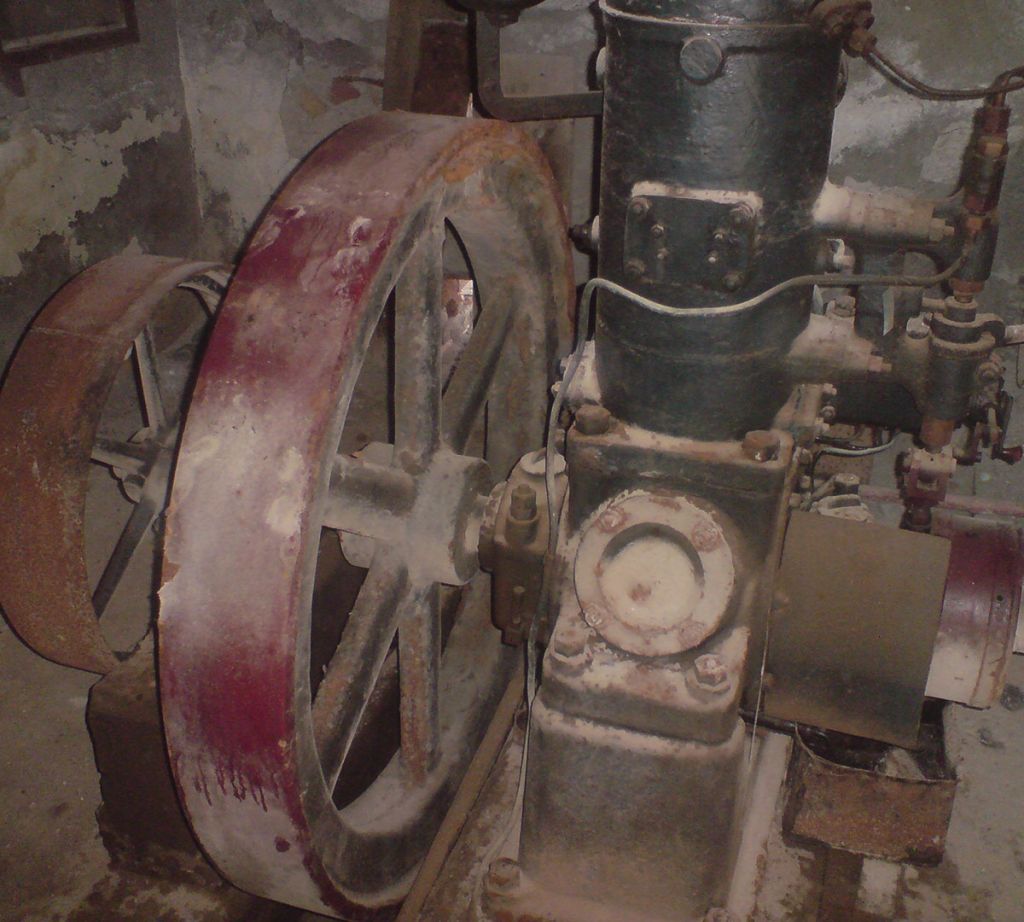
The salt production sites have influenced people’s lives in many ways. The historical and cultural value of salt production is important and extends over many centuries.
The revival of this historical evolutionary path of salt production, the particular techniques and means used throughout the centuries to produce, collect and transport sea salt to end users, as well as their impact on people’s lives, is highlighted through the creation of a Saltworks Museum.
The construction of such a Museum, which will properly capture all of the aforementioned, constitutes a strong attraction that motivates a large number of people to visit the saltworks.
In general, abandonment of saltworks results in a complete change in land use. They rarely maintain their characteristics, and most are progressively losing their ecological value. Some have completely disappeared due to drastic change in land use (industrialization, urbanization). Other have been transformed into rice fields, fish farms and oyster farms or have gradually degraded because of solid waste disposal.
Rehabilitation is the alteration of an ecosystem to a desired functional condition while restoration places paramount importance on a return to the pre-impact structure. (Thomas Crisman). Rehabilitation asks for what purpose the ecosystem is desired, and then charts a course to achieve that function.
Thus, the rehabilitation of abandoned saltworks through promotion of traditional-salt production and establishment of ecotourism facilities, will convert them into areas of economic activity raising the economic importance of the surrounding area.
Furthermore, rehabilitation of abandoned saltworks may aim in:
- Preventing degradation of the wetland ecosystem that results from point and non-point pollution due to urban, industrial, and agricultural activities in the watershed.
- Preventing pollution and subsequent degradation of neighboring coastal ecosystems that are both ecologically sensitive and have major economic value as tourist areas in Mediterranean.