The fauna and flora that grows along with the sea salt production process is incredibly rich. The commercial exploitation of certain microorganisms and plants that abound in the Solar Saltworks is proving to be very profitable. Indicatively we mention:
Artemia Salina
The brine shrimp Artemia (Crustacea, Anostraca) is among the few multicellular halophilic eukaryotes that inhabit hypersaline and brine ecosystems worldwide. It is a key organism in solar sea salt production since its presence contributes decisively to the optimal salt crystallization.
Artemia, and especially their naupliae can be exploited commercially as:
Live food in aquaculture, for commercial larval rearing (hatcheries) of many species of fish and Crustacea
Ornamental fish food
Shrimp broodstock maturation trigger
High quality protein ingredient in aquafeeds
Dunalliela Salina
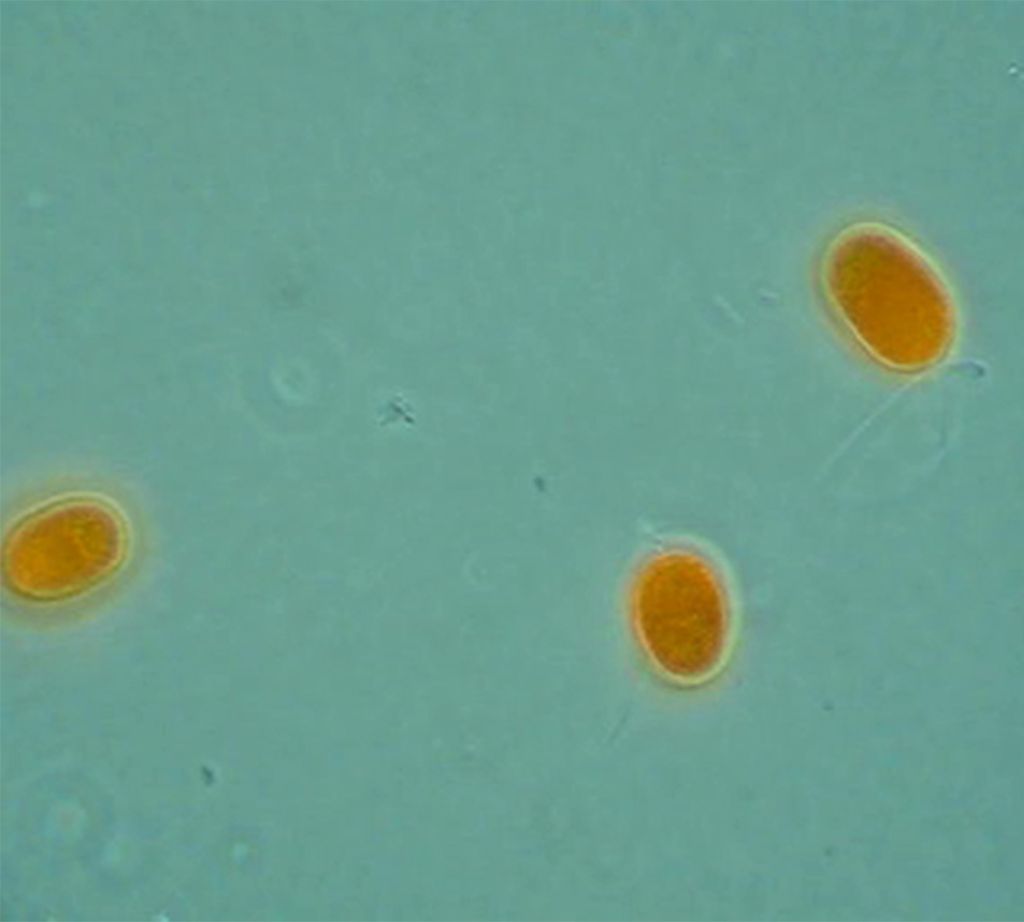
Dunaliella salina is a type of halophile unicellular eucaryotic green alga, found especially in hypersaline environments. A common inhabitant of Solar Saltworks. However, its predominance in crystallizers has been associated with poor salt quality.
β-carotene is the main product of Dunalliela Salina.
Halobacterium
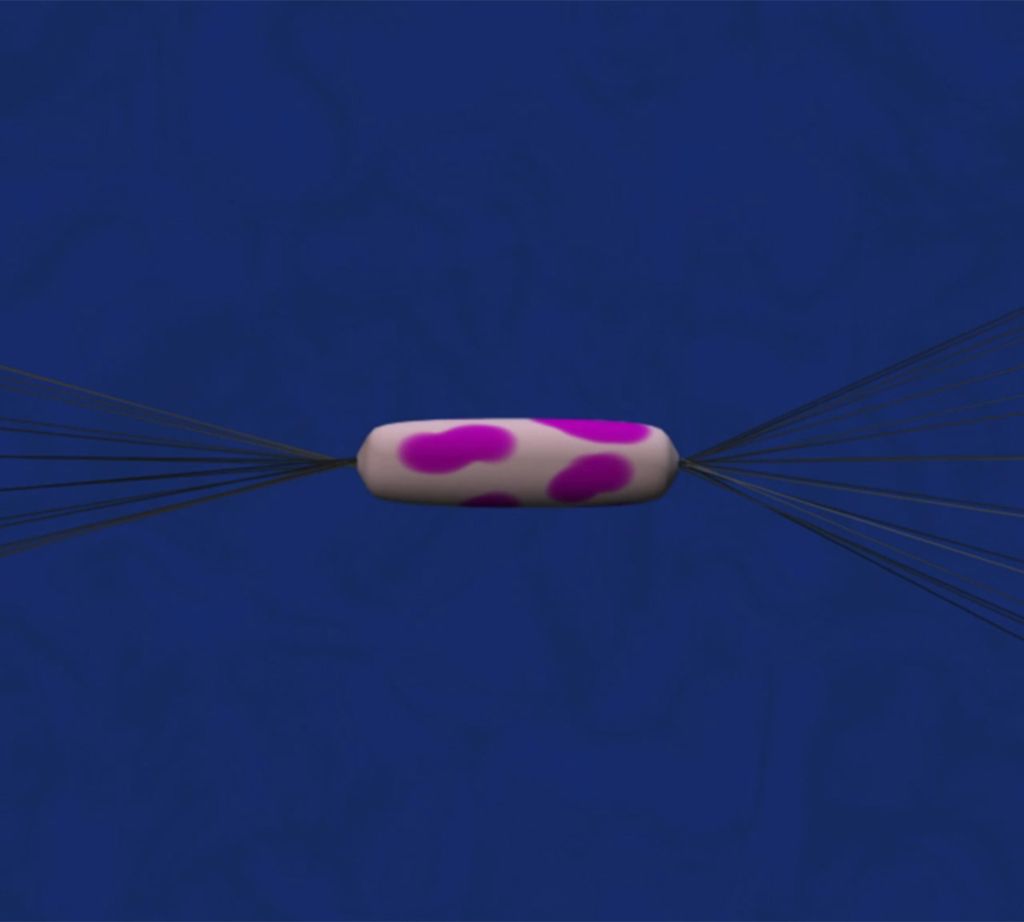
Halobacterium is a halophilic archaea that thrives all over the world in high salt environments, and dominates in the crystallizers of a well-functioning Solar Saltworks.
Bacteriorhodopsin is produced from Halobacterium.
• Salicornia
A widely distributed salt-marsh plant with fleshy scale-like leaves. A type of red algae that is primarily used to produce agar, a gelatinous substance used in the food, pharmaceutical, and cosmetic industries.
Salicornia has been used, for centuries, for food, medicine, ecology, and cosmetic applications.