

Solar Saltworks, an industry, a wetland!
Man has been producing salt since the time of the agricultural revolution, when he settled in permanent settlements and began cultivating the land for his nutritional needs, leaving the nomadic life behind. Originally, the production of salt by solar evaporation of seawater must have taken place in coastal lagoons and rock cavities. However, the improvement of this simple process, which emerged through a long evolutionary process, ultimately shaped Solar Saltworks into unique saline coastal ecosystems.
Current industrial Solar Saltworks consist of a well-designed system of ponds (lakes) that are interconnected, primarily in series, into which seawater enters and flows in a controlled manner through appropriate gates or pumps. The incident solar radiation, assisted by the wind action, evaporates the seawater which, as it flows, develops a salinity gradient throughout the ponds system that results in salt crystallization (production) in the latter pond in the row (Physical process). Despite increasing salinity, life does not stop in saltworks ponds. Paradoxically this salinity gradient, gives rise to a characteristic chain of microorganisms, which grow in planktonic and benthic communities and consist of species that cover all the existing domains of life, namely Eukaryotes, Bacteria and Archaea! (Biological process). These two processes, the physical and the biological, develop in parallel, interact strongly and determine both the quality and the quantity of the salt produced.
Solar Saltworks do much more than just produce a basic industrial commodity. Their environmental uniqueness lies on the fact they are constructed, integrated coastal ecosystems, where regular and hypersaline environments coexist, establishing high significant shelters for wild life. This wetland function of sea salt production process, as well as the historical and cultural value of salt, offer valuable, additional ways of Solar Saltworks exploitation.
Optimizing Solar Saltworks’ production process is vital not only for the qualitative and quantitative upgrade of its products, but also because it simultaneously enhances its function as a wetland. In this direction, we provide technical support for Solar Saltworks:
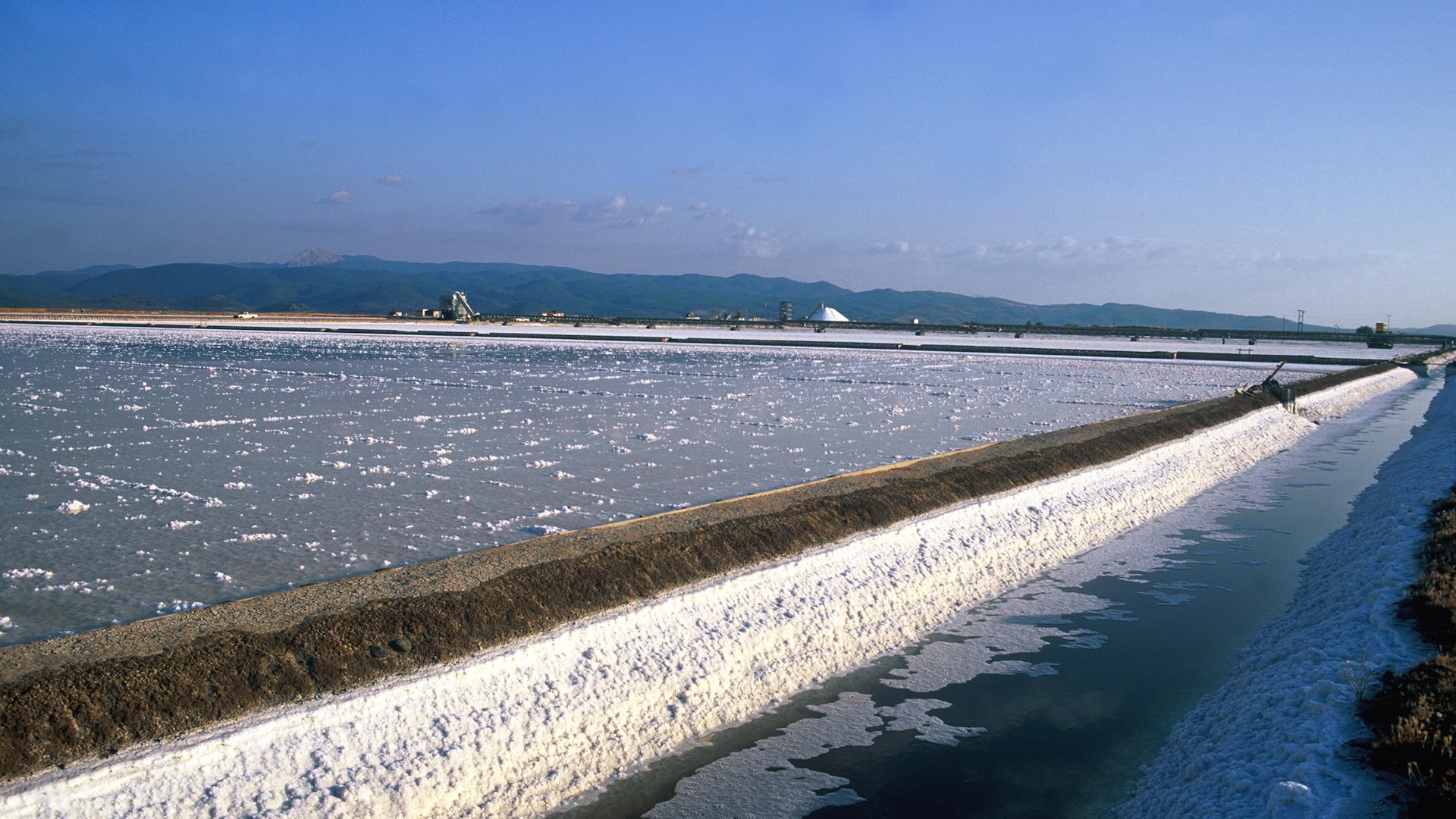
New Investments
Solar Saltworks New Investments - Production Process Optimization

ECOTOURISM NET
Environmental Education – Museums - Abandoned Salinas Rehabilitation
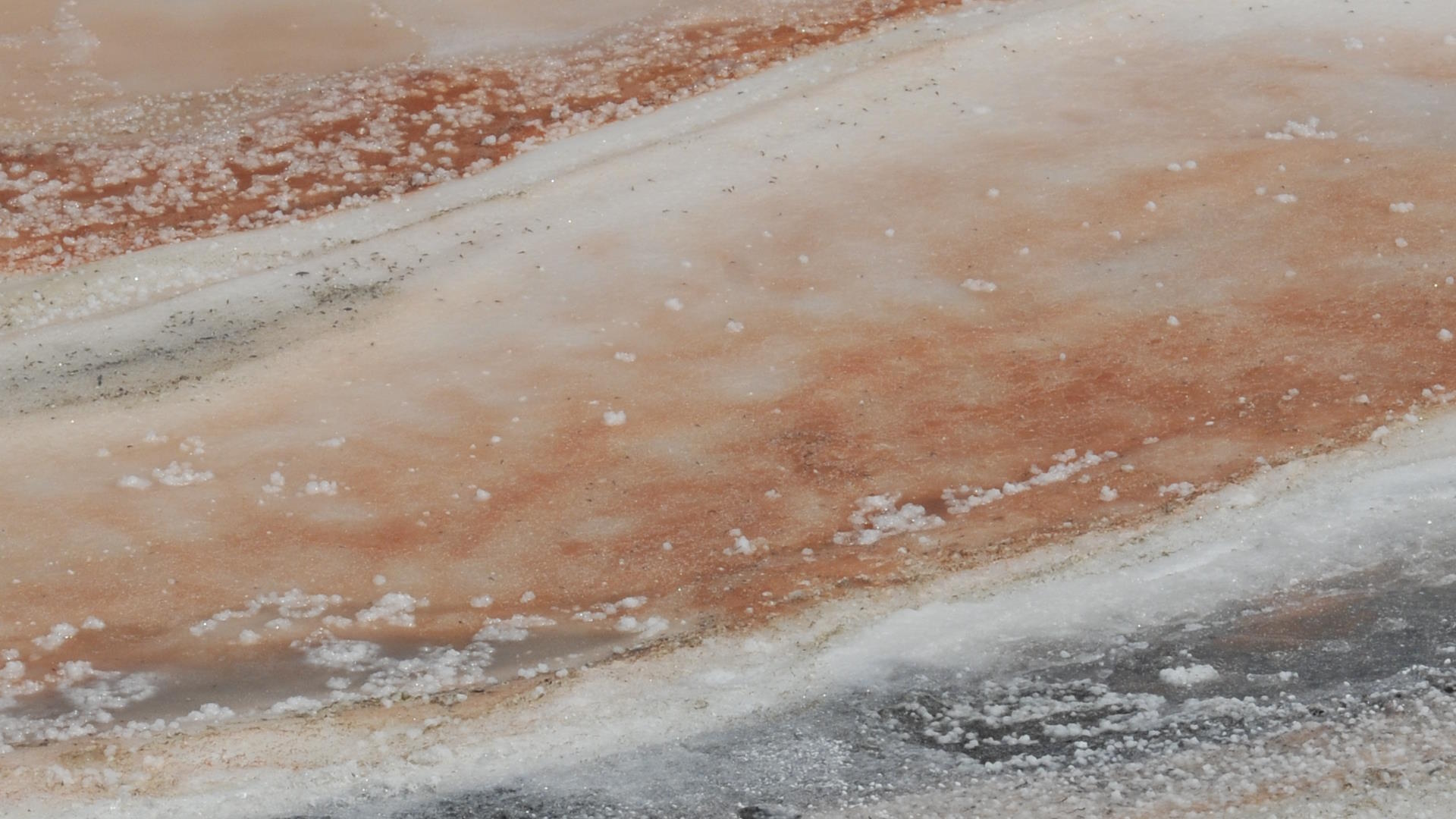
BY PRODUCTS
Solar Saltworks Byproducts
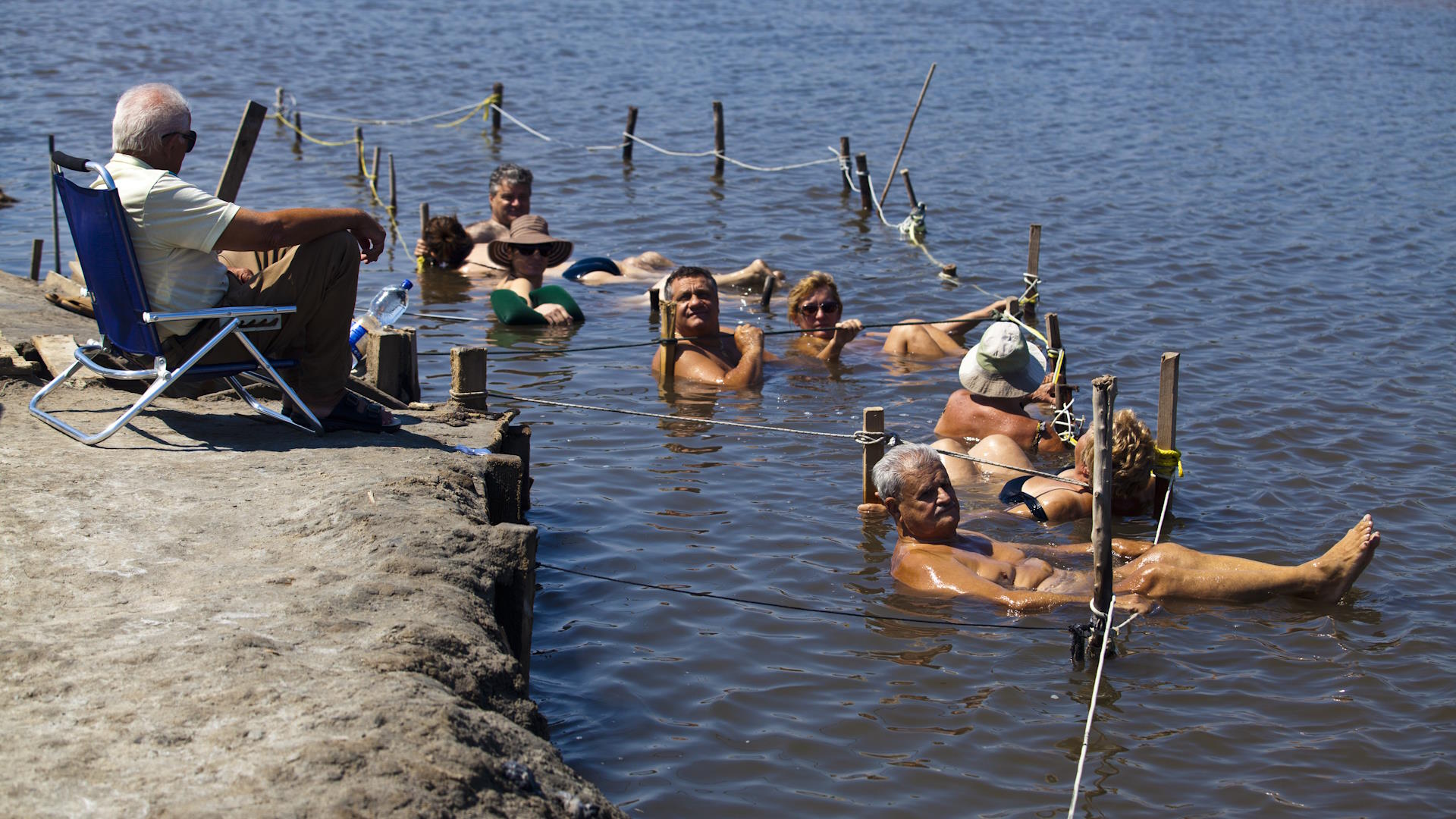
THERAPEUTIC BATHS
Brine Baths - Mud Skincare Treatment

features and management techniques that enable microorganisms
dwelling in the ponds of salinas to aid salt production, mitigate
disasters, and permit continuous and economic manufacture
of high quality salt at design capacity.
to accept stream input that can become part of ecotourism networks.
It has great potential from landscape and reduce, via nutrient removal -
natural biological processes, the loading and potential contamination of coastal areas.
exist in Salinas. However, we do know that if Solar Salterns are destroyed,
we will lose a significantsource of microbial biodiversity.
and crystallizer ponds of different salinities, with often high-densities
of phototrophic microorganisms, planktonic as well as benthic,
makes the salterns excellent model systems for the study of
primary production and other microbial processes.
goes far beyond the microorganisms.
salines appear on the pre-requisite list of the State Env. Agency.
The challenge is to make an environmental education in a critical
and innovative way. It should be a political act, geared
toward social transformation seeking a perspective that relates
to man, nature and universe.
enhances biodiversity and sustainable operation.
Modern, industrial Solar Saltworks constitute ecosystems
that function better than traditional ones.